If you’ve ever scrolled through social media, you’ve probably seen countless teeth whitening hacks – from activated charcoal to oil pulling to baking soda scrubs. With so many options claiming to brighten your smile, it’s hard to know what actually works and what’s just clever marketing.
Let’s cut through the noise and look at what really makes a difference for whiter teeth.
Why Do Teeth Get Stained in the First Place?
Understanding why teeth become discolored helps explain why some whitening methods work better than others.
Surface stains come from things like coffee, tea, red wine, berries, and tobacco. These stains sit on the outer layer of your tooth enamel and are generally easier to remove.
Deep stains penetrate into the tooth structure itself. These can come from aging (as enamel thins over time), certain medications, excessive fluoride, or trauma to the tooth. Deep stains are much harder to address.
Professional Whitening: The Gold Standard
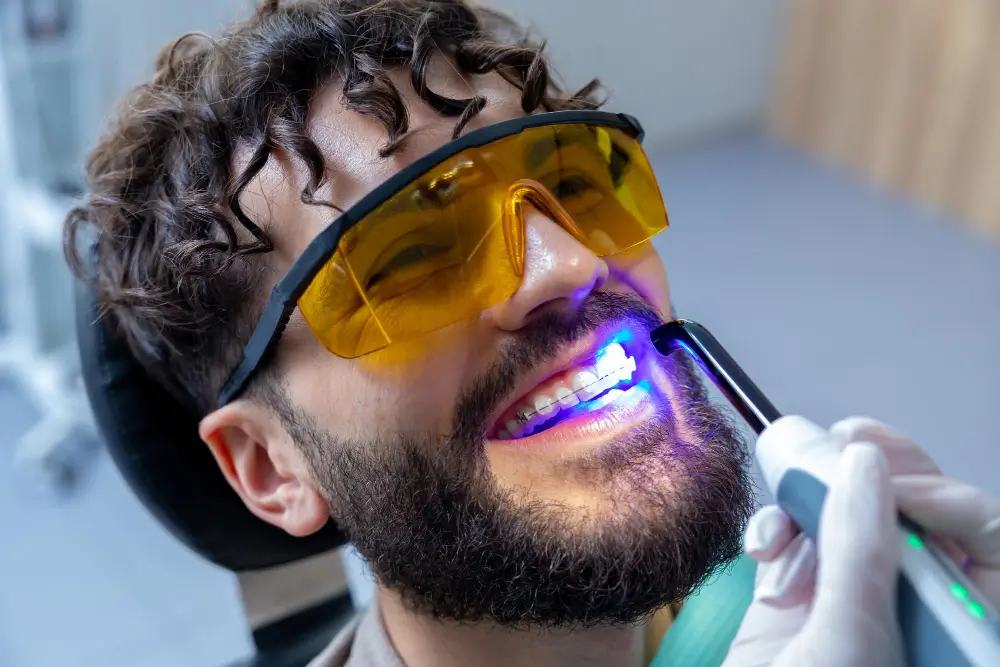
Professional whitening done in a dental office uses higher concentrations of bleaching agents than you can buy over the counter. The most common ingredient is hydrogen peroxide or carbamide peroxide.
During an in-office treatment, your dentist applies a protective gel to your gums, then uses a bleaching gel on your teeth. Some offices use a special light to activate the gel, though research shows the light doesn’t significantly improve results.
Why it works: The high concentration of bleaching agents can break down both surface and some deeper stains effectively.
Typical results: Teeth can become 3-8 shades whiter in a single session.
Downsides: Can cause temporary sensitivity. More expensive than at-home options.
Take-Home Whitening Trays from Your Dentist
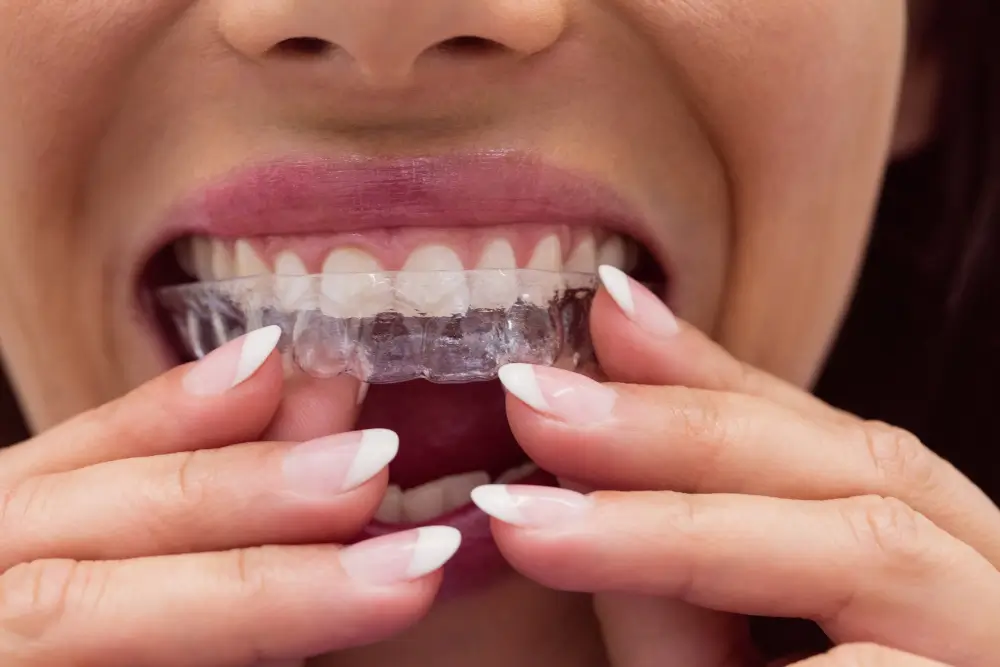
Your dentist can make custom trays that fit your teeth perfectly, along with professional-strength whitening gel to use at home. You typically wear these for a few hours daily or overnight for 1-2 weeks.
Why it works: Custom fit ensures even coverage and prevents gel from irritating your gums. The professional-strength gel is more effective than store-bought versions.
Typical results: Similar to in-office treatment but takes longer to achieve.
Downsides: Requires consistency over several days or weeks.
Over-the-Counter Whitening Products
Whitening toothpaste: Contains mild abrasives and sometimes low levels of peroxide. Good for maintaining results but won’t dramatically whiten teeth.
Whitening strips: Thin plastic strips coated with peroxide gel. More effective than toothpaste but less than professional treatments.
Whitening mouthwash: Contains small amounts of peroxide. Least effective option but easy to incorporate into daily routine.
Why they work (somewhat): Lower concentrations of active ingredients can help with surface stains.
Typical results: 1-2 shades whiter with consistent use.
The Internet’s Favorite “Natural” Methods
Activated charcoal: Despite its popularity, there’s no solid evidence that charcoal whitens teeth. It’s abrasive and could potentially damage enamel over time.
Baking soda: Mildly abrasive and can help remove surface stains, but won’t change the natural color of your teeth. Using it too often can wear down enamel.
Oil pulling: Swishing coconut oil in your mouth may help with oral health, but studies don’t support significant whitening effects.
Lemon juice or vinegar: The acid can actually damage your tooth enamel, making teeth more susceptible to staining and decay.
Strawberries and other fruits: While they contain natural acids, there’s no evidence they whiten teeth effectively.
What About Whitening Toothpaste?
Most whitening toothpastes work by removing surface stains rather than actually bleaching your teeth. They contain mild abrasives or enzymes that help scrub away stains from coffee, tea, and other foods.
Some newer whitening toothpastes contain small amounts of peroxide, which can provide mild bleaching effects. However, the contact time is too short during regular brushing to make a dramatic difference.
How to Make Whitening Results Last
Regardless of which whitening method you choose, these habits will help maintain your results:
- Rinse your mouth with water after drinking coffee, tea, or red wine
- Use a straw when drinking staining beverages
- Don’t smoke or use tobacco products
- Maintain good oral hygiene with regular brushing and flossing
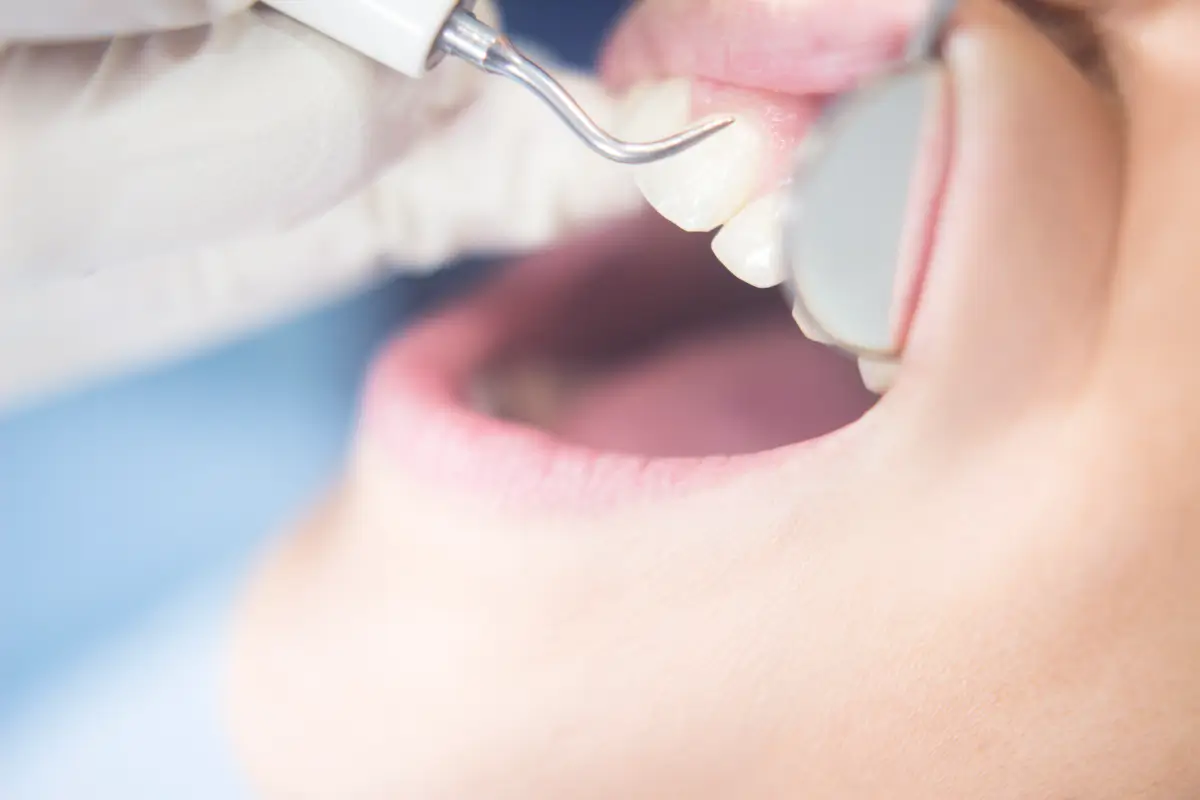
- Get regular dental cleanings to remove surface stains
Managing Sensitivity
Tooth sensitivity is the most common side effect of whitening treatments. Here’s how to minimize it:
- Use a toothpaste designed for sensitive teeth before and after whitening
- Take breaks between whitening sessions if sensitivity occurs
- Avoid very hot or cold foods and drinks during treatment
- Talk to your dentist about adjusting the concentration or frequency of treatment
When Whitening Won’t Work
Some types of discoloration don’t respond well to bleaching:
- Gray stains from certain medications
- Stains from dental trauma
- Discoloration from old dental work
- Very deep, intrinsic stains
In these cases, veneers or crowns might be better options for achieving the look you want.
The Bottom Line
Professional whitening treatments are the most effective way to brighten your smile. Over-the-counter products can help maintain results or provide modest improvement for surface stains. Most “natural” whitening methods popular on social media either don’t work or could potentially harm your teeth.
The best approach depends on your budget, timeline, and how much whitening you’re hoping to achieve. A dental professional can assess your specific situation and recommend the most appropriate option.
Want professional whitening results? Apollo Dental in Fremont offers professional teeth whitening treatment for $299. Dr. Saurabh Sharma uses advanced whitening technology to help you achieve a brighter, more confident smile safely and effectively. For best results, we recommend a cleaning before your whitening treatment.
Ready to brighten your smile? Call us at (510) 399-0619 to schedule your consultation and learn more about our professional whitening options.